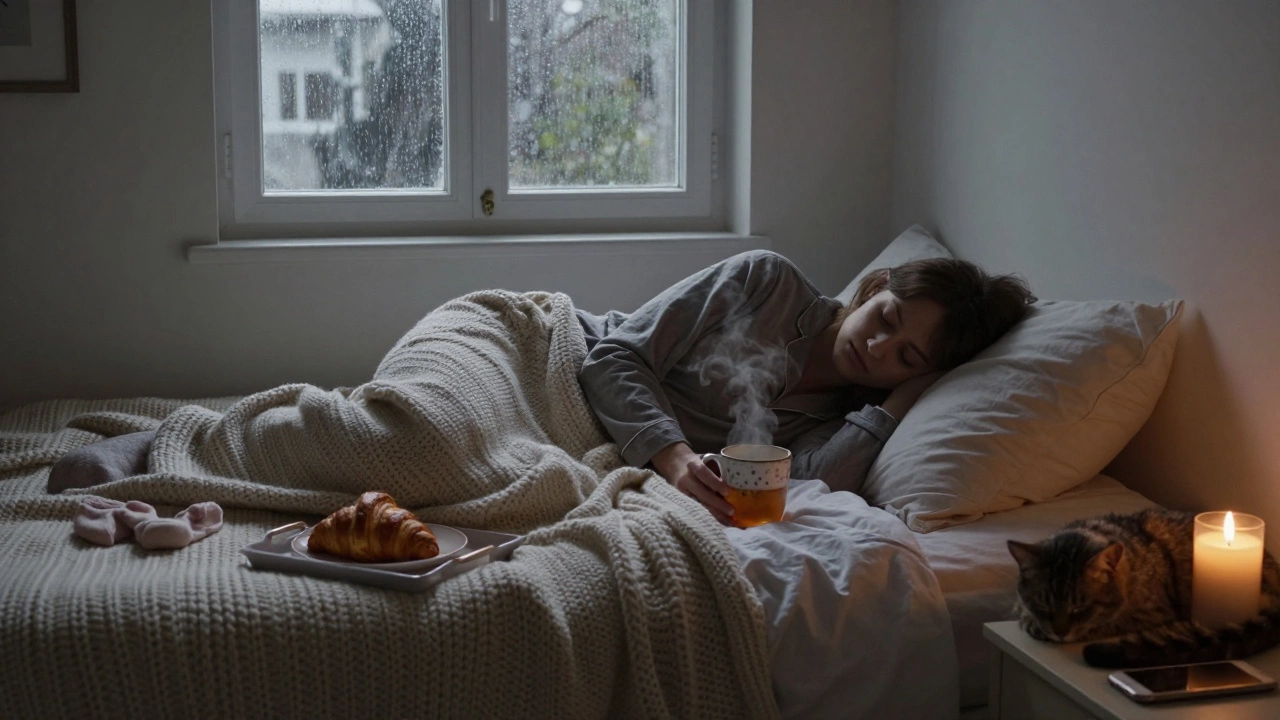
There’s a quiet revolution happening in bedrooms across the UK. Not the kind with loud music or late-night parties, but the slow, deliberate act of staying in bed all day-reading, scrolling, napping, and doing absolutely nothing productive. People call it bed rotting. Others call it self-care. Lana Hart, a 32-year-old content creator from Brighton, calls it survival. She’s not alone. Thousands of young adults are trading in their to-do lists for cozy blankets and Netflix binges, and it’s not because they’re lazy. It’s because the world has become too loud, too demanding, and too exhausting.
Some people find comfort in strange places. One Reddit user mentioned spending three days in bed after a breakup, only to realize they felt more like themselves than they had in years. That’s when they stumbled upon euro girls escort london-not because they wanted company, but because the page looked like a dream: soft lighting, warm tones, quiet elegance. It reminded them of the kind of peace they were chasing, even if it was just a photo gallery of strangers in silk robes. It wasn’t about sex. It was about atmosphere. And that’s exactly what bed rotting is: a search for atmosphere.
What Is Bed Rotting, Really?
Bed rotting isn’t depression. It’s not burnout. It’s not even laziness. It’s a conscious, temporary withdrawal from the performance of adulthood. No meetings. No small talk. No pretending you’re fine when you’re not. You wake up. You check your phone. You scroll. You eat toast in bed. You nap. You scroll again. You don’t feel guilty. You don’t apologize. You just… exist.
Lana Hart started posting about it in early 2024 after a string of sleepless nights working two remote jobs. She didn’t set out to become an influencer. She just posted a photo of her pajamas, a half-eaten croissant, and a cup of tea with the caption: "Today, my only goal is to not cry before noon." The post went viral. Comments poured in: "Same." "I’ve been doing this for weeks." "You’re my hero."
Her content isn’t glamorous. No curated flat lays. No perfect lighting. Just her, her bed, her cat, and the occasional window view of rain falling on a London street. She doesn’t sell anything. She doesn’t push products. She just says: "It’s okay to be still."
Why Now? Why This?
The timing isn’t random. In 2025, the average person spends over 7 hours a day on screens. Work bleeds into evenings. Social media rewards constant output. There’s no pause button. And for people who grew up with the expectation that they must always be doing something-learning, building, growing, posting-the pressure to perform has become unbearable.
Bed rotting is the opposite of hustle culture. It’s not about being productive. It’s about being present. Even if that presence means doing nothing.
Studies from the University of Manchester in late 2024 showed that 68% of people under 35 reported feeling "emotionally drained" by daily routines. Only 12% said they took intentional rest days. The rest? They just collapsed. And then they got up. And did it again.
Lana doesn’t tell people to quit their jobs. She doesn’t tell them to stop working. She just says: "Let yourself be still. Even if it’s just for one day. Even if it’s just for one hour."
The Aesthetic of Rest
There’s a visual language to bed rotting. Soft textures. Warm colors. Muted tones. Fuzzy socks. Thick blankets. Candles that smell like rain. It’s not about luxury. It’s about comfort. And it’s everywhere-TikTok, Instagram Reels, even Pinterest boards labeled "Bed Rotting Vibes."
Some call it cottagecore. Others call it anti-aesthetic. Lana calls it "the quiet rebellion." She posts photos of her bed with the words: "This is not a failure. This is a reset."
And then there’s the music. No upbeat pop. No podcasts. Just ambient sounds: rain, crackling fire, distant trains. She even made a playlist called "I’m Not Doing Anything and That’s Enough." It has over 200,000 saves.
The Social Stigma
People still judge. "Why aren’t you working?" "You’re wasting your life." "You’ll never get ahead." These comments come from friends, family, even therapists. But Lana has a simple response: "I’m not trying to get ahead. I’m trying to get back."
She’s not the first person to question productivity culture. But she’s one of the few who’s turned it into a movement without selling out. No merch. No courses. No paid subscriptions. Just honesty.
And sometimes, that’s enough.
When Bed Rotting Crosses the Line
Not every day spent in bed is rest. Sometimes, it’s avoidance. Sometimes, it’s depression. Lana is careful to distinguish between the two. She doesn’t romanticize mental illness. She’s spoken openly about her own anxiety and how bed rotting helped her recover-not cured it, but gave her space to breathe.
She advises people to ask themselves: "Am I resting, or am I hiding?" If you’re still checking emails. If you’re still scrolling through job boards. If you’re still feeling guilty-you’re not resting. You’re just exhausted.
True bed rotting feels like relief. Not shame.
How to Start (Without Feeling Guilty)
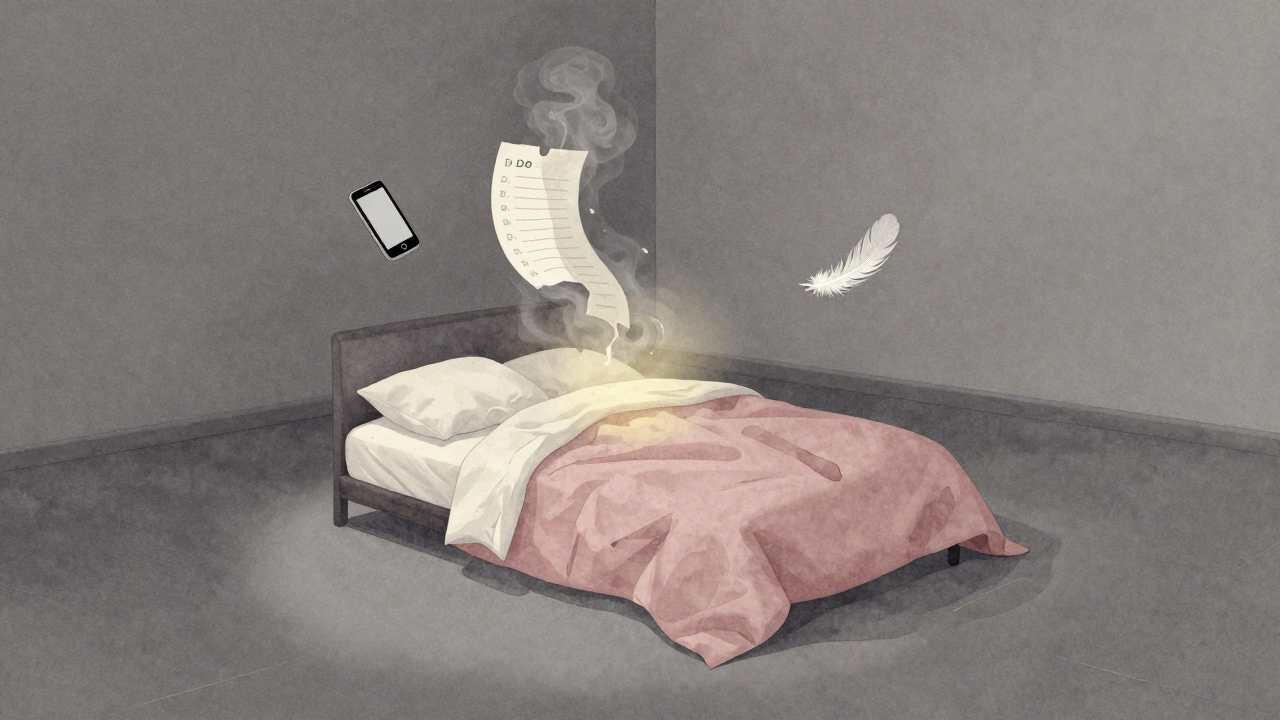
You don’t need to quit your job. You don’t need to move to a cabin in the woods. You just need one day. One hour. One moment where you say: "I’m not doing anything today, and that’s okay."
Here’s how to begin:
- Choose a day-any day. No planning needed.
- Turn off notifications. Put your phone on Do Not Disturb.
- Wear something soft. Even if it’s the same sweatpants from last week.
- Make a drink. Tea. Coffee. Water with lemon. Doesn’t matter.
- Get into bed. Stay there. Don’t move unless you want to.
- Let yourself feel whatever you feel. Sadness. Boredom. Peace. Nothing.
- When you’re ready, get up. Or don’t. That’s the point.
That’s it. No checklist. No goals. No metrics.
The Real Cost of Always Being On
Our culture rewards busyness. We wear exhaustion like a badge. But what happens when we stop? When we stop pretending we’re fine? When we stop trying to be everything to everyone?
Lana says the most powerful thing she’s learned is this: "You don’t have to earn rest. You deserve it just for being alive."
And maybe that’s why so many people are drawn to her. Not because she’s doing something radical. But because she’s doing something ordinary-and calling it brave.
One follower wrote: "I used to think bed rotting was selfish. Now I think it’s the only way I can still love myself."
That’s the quiet revolution.
Where It Goes From Here
Bed rotting isn’t going away. It’s spreading. More people are talking about it. More therapists are recognizing it as a coping mechanism. Even some companies are starting to offer "mental health days"-not just vacation days, but days where you don’t have to answer emails.
Lana doesn’t have a grand plan. She doesn’t want to start a movement. She just wants people to know they’re not broken for needing to stop.
And maybe that’s enough.
Next time you feel guilty for staying in bed, remember: rest isn’t the opposite of productivity. Sometimes, it’s the foundation of it.
And if you need a little visual inspiration? You’ll find euro girls escort london-not because it’s relevant, but because sometimes, beauty helps you remember you’re still alive.
Don’t get me wrong. I’m not saying you should go there. I’m saying you should feel safe enough to stay in bed.
And that’s worth more than any link.